

Planning your first marathon is exciting and a bit intimidating. It is a long way to run, and most runners are not sure how many weeks they need, how long their longest run should be, or how to pace race day.
A coach can turn that noise into a clear, realistic plan. Instead of guessing from different plans online, you get one structure that fits your fitness, your calendar and your goal race.
Through Good Coach App, your coach plans your weeks, reviews what you actually did and adjusts the next block so you can build up to 42k step by step.
Is a marathon realistic this season
Before you lock in a race date, a coach will usually look at three things:
- How much you are running right now
- How many weeks you have until race day
- Any injury history or big life events in that period
For a first marathon, many runners do well with:
- A base period of at least 6 to 8 weeks where you run consistently
- A specific marathon build of 16 to 20 weeks
- Three to five training days per week, depending on your background
If you are starting from close to zero, a coach may suggest working toward a half marathon first, or choosing a race that is further away, instead of rushing a short block.
How a coach helps with your first marathon
A good first marathon coach does more than send a plan file. They:
- Map out your full build in clear phases so you know what each month is for
- Increase your long run gradually instead of making big jumps
- Set realistic paces for easy runs, workouts and race pace
- Help you choose and practice a race fueling plan
- Watch for warning signs of overtraining in your comments and data
- Adjust around travel, busy weeks and small injuries
- Talk through race strategy, from start corral to the last 10k
You still have to do the work, but you do not have to decide alone whether to push, hold back or change the plan when things are not perfect.
Example first marathon timeline
Every plan is individual, but a rough structure for a first marathon might look like this:
Foundation weeks
You build to regular running, for example three runs per week plus optional strength. The focus is easy volume and getting used to time on feet, not speed.
Build phase
Your long run grows slowly toward 2.5 to 3 hours, and you add one simple quality session per week, such as tempo intervals or blocks at marathon effort. Your weekly volume rises a little, then holds steady.
Peak block
You hit your longest long runs, often with some blocks at planned race effort. Strength and easy runs support this, and recovery days are more important than ever.
Taper
In the last two to three weeks, volume drops while you keep a few short, sharp efforts. The goal is to let fatigue fall while keeping your legs feeling alive.
All of this is easier to manage in one calendar where your coach can see your watch data, your comments and your upcoming weeks.
Common first marathon mistakes a coach can help you avoid
First time marathoners often run into the same problems:
- Long runs become races instead of controlled efforts
- No practice with gels, drinks or race day breakfast
- Training too much when life is busy, then crashing later
- Ignoring small pains until they become bigger problems
- Starting the race too fast and paying for it after 25 to 30 km
A coach can spot these patterns early and guide you toward safer choices, for example by flagging heart rate drift on long runs, building fueling tests into your plan or setting conservative pace caps for the first half of the race.
How online first marathon coaching works
You do not need a local coach who meets you on track every week. Many first time marathoners work fully online.
With Good Coach App, a typical flow looks like this:
- You and your coach agree on a target race and rough weekly time budget.
- Your coach sets up your plan on a shared calendar that can sync to supported watches.
- After each session you upload your data and write a quick comment.
- Your coach reviews key runs weekly, adds feedback and adjusts the next block.
- As race day gets closer, you refine pacing and fueling together.
Communication can be as simple as written comments in the app plus a few check ins, or you can add occasional calls if that is how you like to work.
Choosing the right coach for your first marathon
When you read coach profiles, you can look for:
- Experience coaching first time marathoners, not only advanced athletes
- Clear information on how often they review your training and update your plan
- A tone that feels supportive and realistic rather than all or nothing
- Languages you are comfortable communicating in
- Specialisations that match your goal, for example road marathons instead of mainly trail
If you are unsure, send a short message and ask how they would structure your next 12 to 16 weeks. Their reply will show you a lot about fit and communication style.
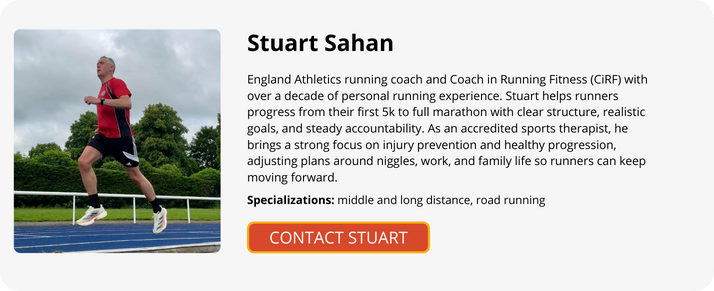
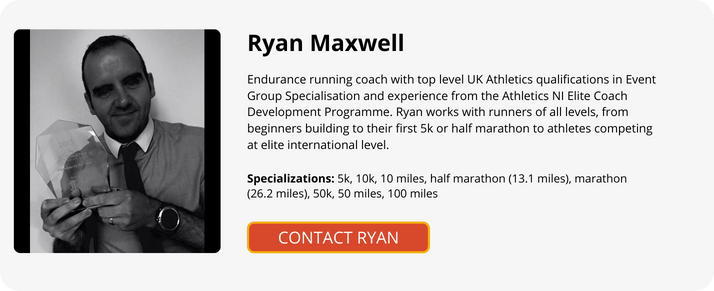
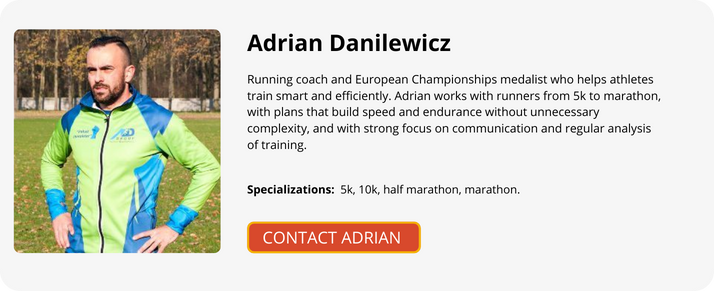
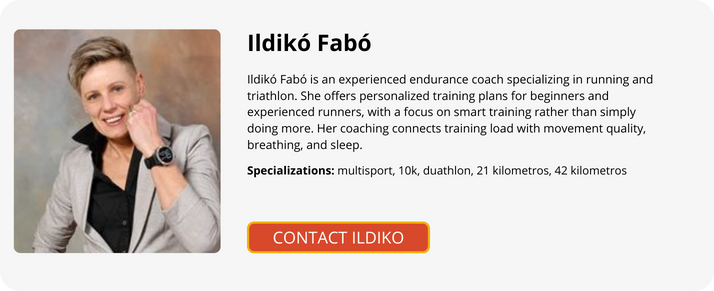
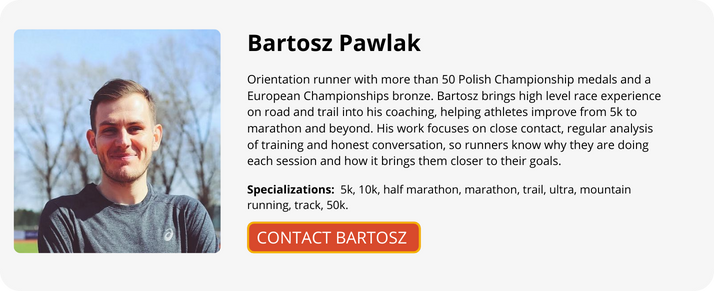
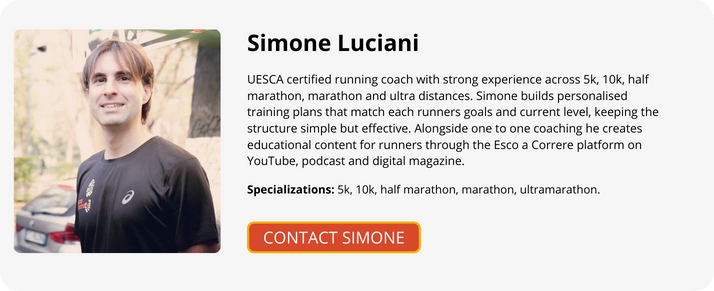
Coaches who help with first marathons